Performance
Compare field conditions and system behaviour using the measurements appropriate to the question.

Focused field testing
See how breaker, grounding, insulation, thermal and solar field measurements support safer, better-informed maintenance decisions.
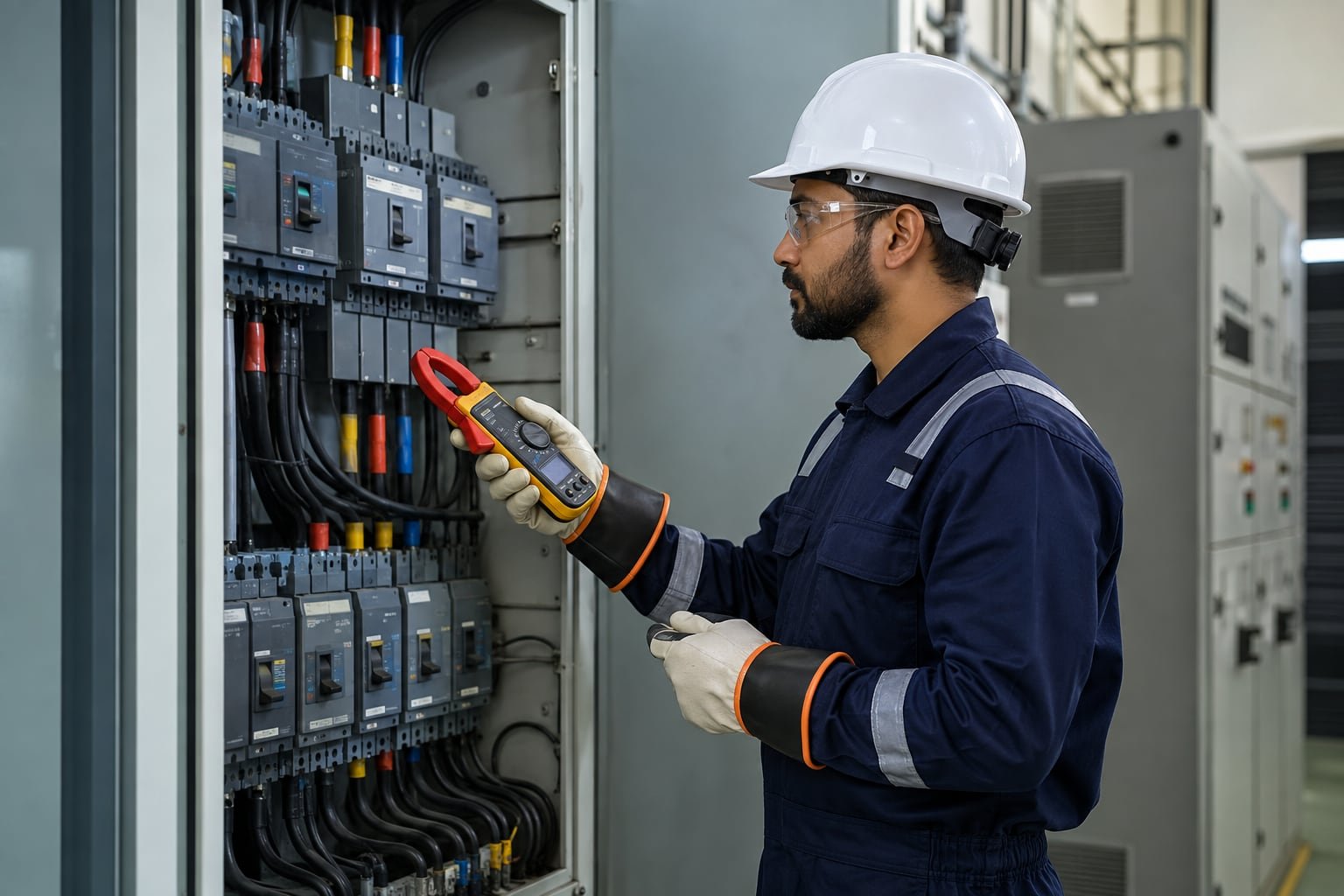
Compare field conditions and system behaviour using the measurements appropriate to the question.
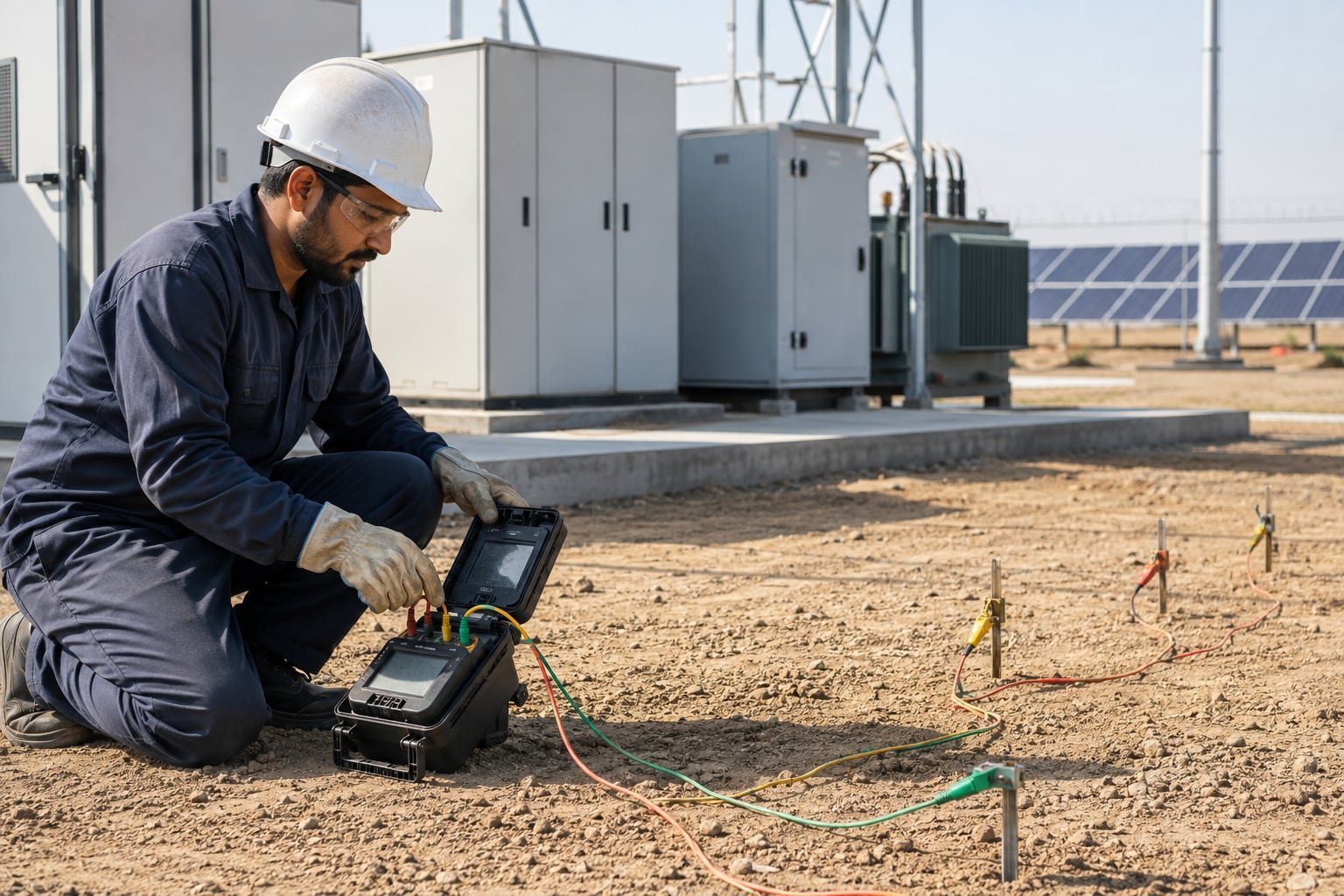
Review accessible connections, insulation and grounding conditions within an agreed test scope.
Identify observations that warrant maintenance, isolation or further specialist investigation.
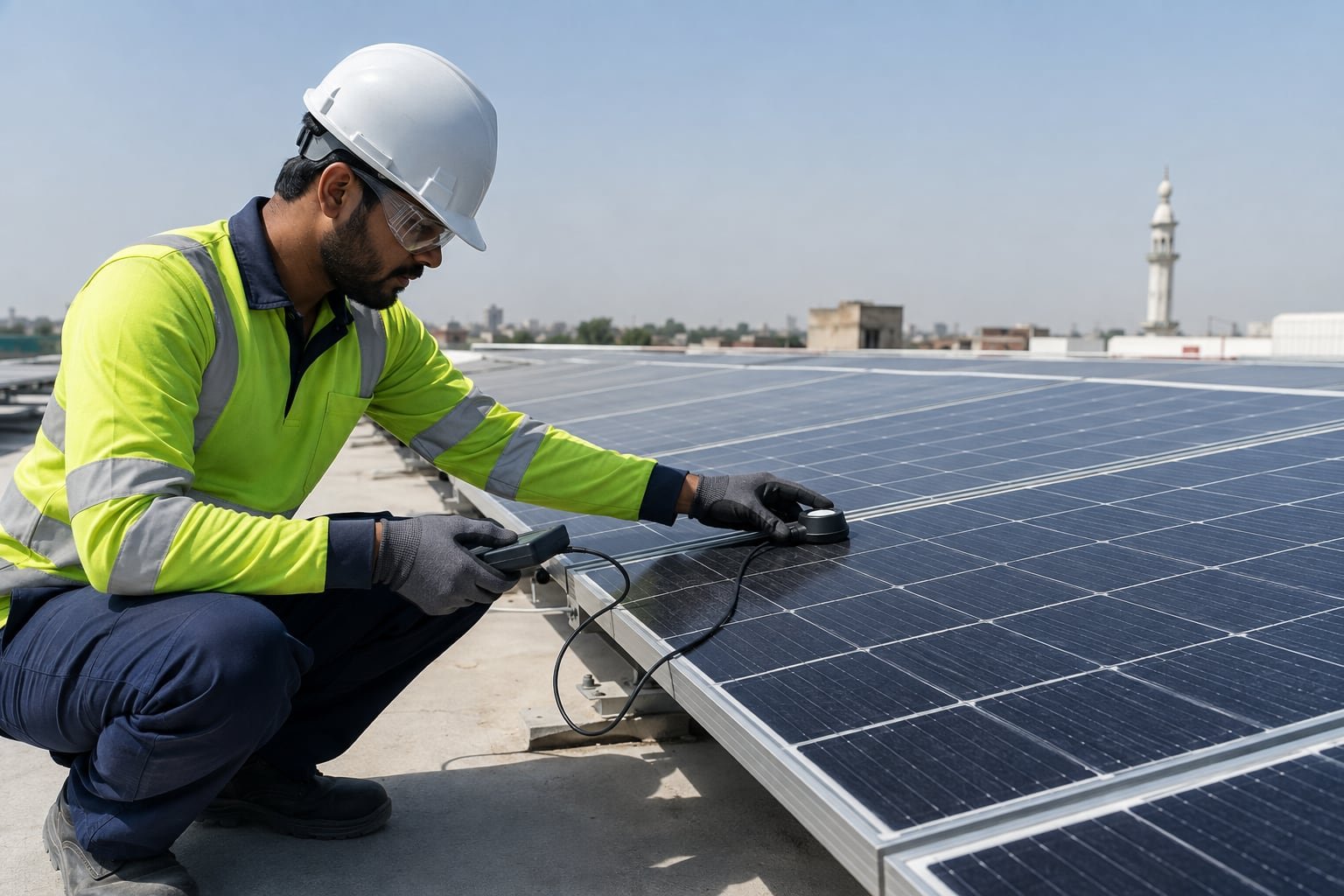
Record irradiance, temperature and site conditions that influence how results are interpreted.
Document selected checks and measurements to support an organised system handover.
Specialist field testing
We apply the appropriate methods in the field to build a clearer picture of selected system conditions and maintenance priorities.
Schedule an Inspection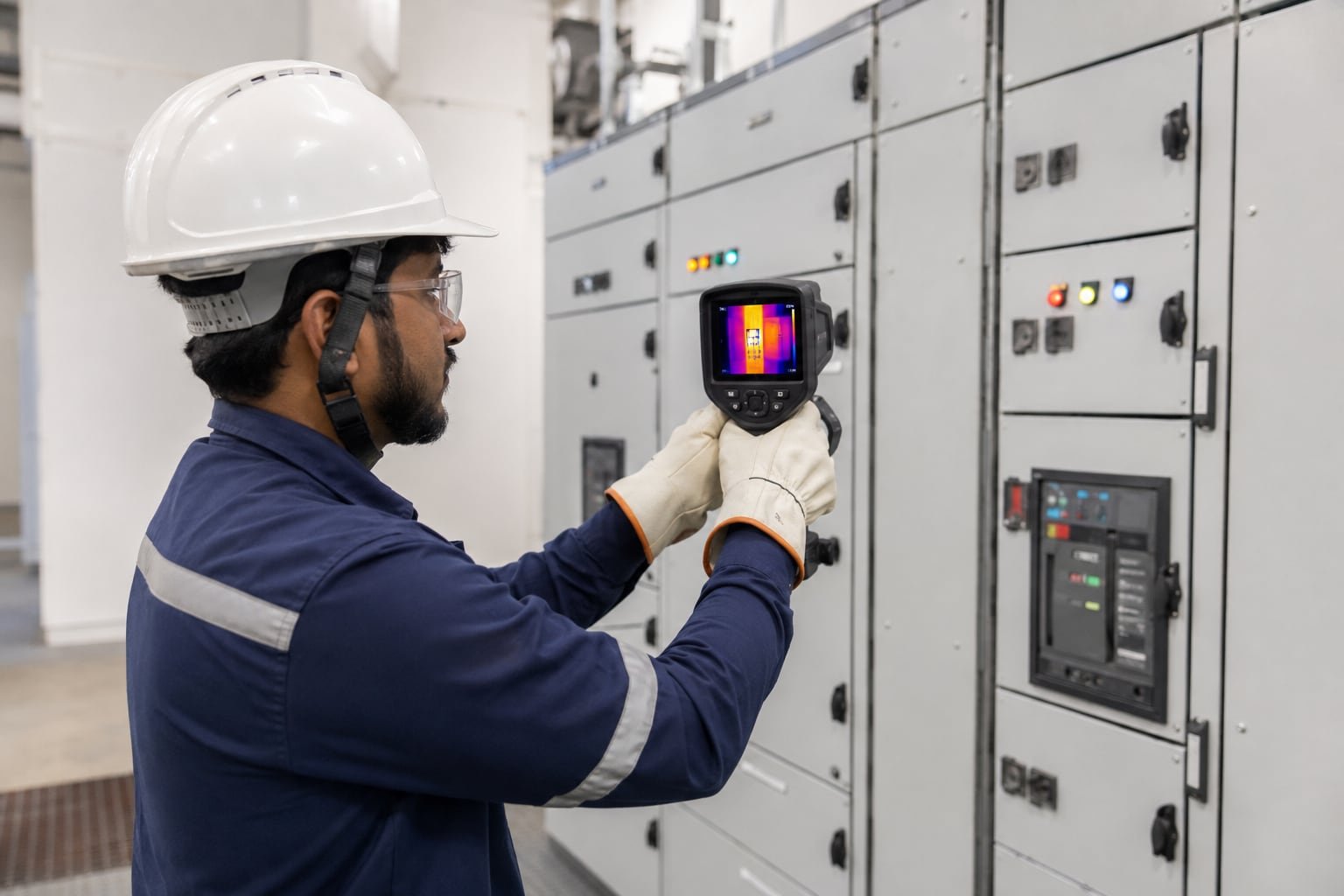
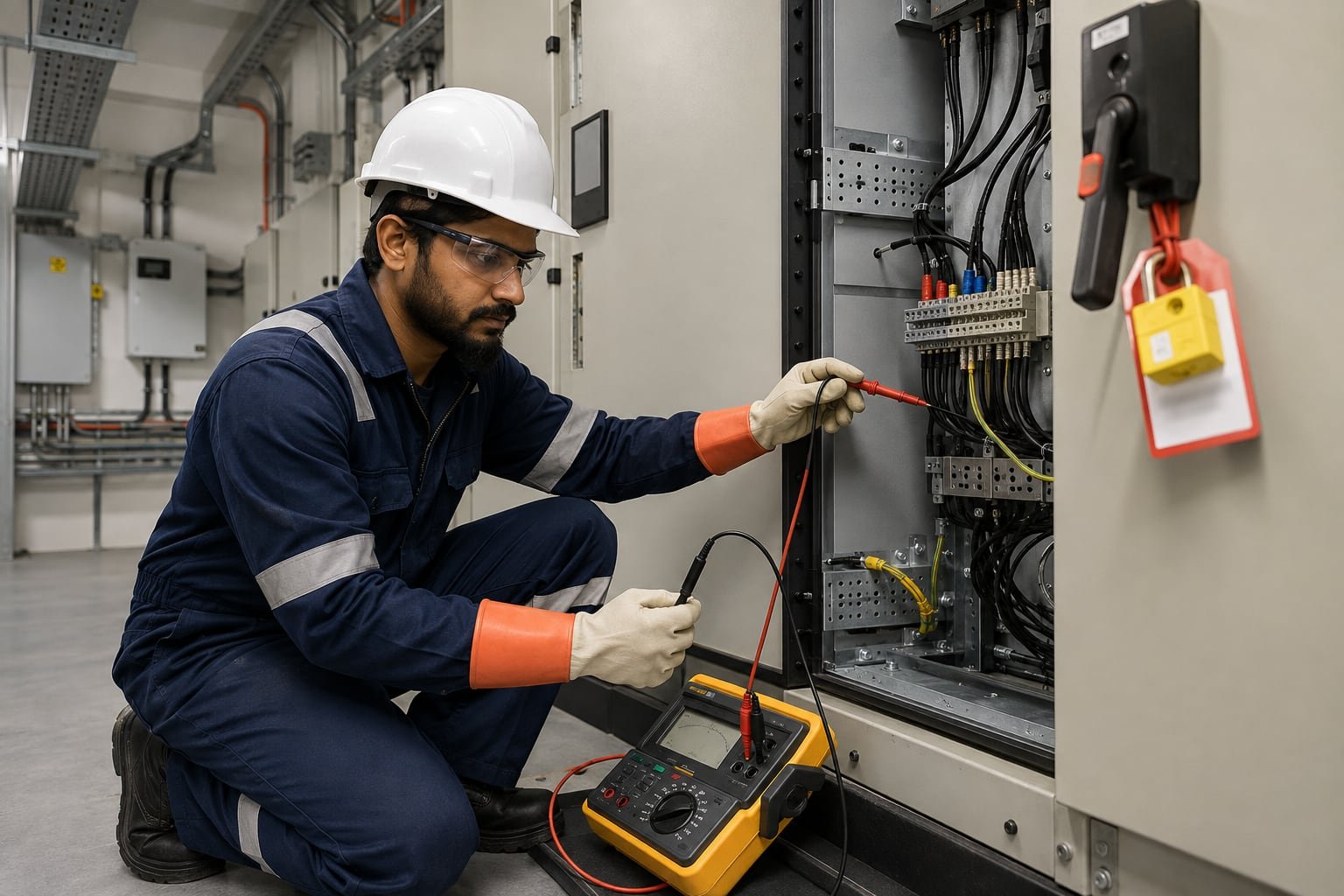
Why inspection matters
A useful inspection begins with the system, operating condition and concern. The scope should follow that question—not a fixed checklist.
Possible outputs include recorded measurements, visual observations, identified follow-up items and practical maintenance priorities. Testing does not create unsupported certification claims.
Solar systems with an unexplained concern
Preventive maintenance planning
Post-installation condition reviews
Electrical systems requiring focused checks
A useful field scope
The testing method should follow the question, not the other way around. We first clarify the equipment, operating condition and concern, then recommend an appropriate combination of inspection, thermography, irradiance, grounding or insulation checks.
A practical inspection flow
The equipment, operating state and reason for testing guide each stage.
Clarify the equipment, operating state and decision the test should support.
Confirm access, isolation, safety and environmental conditions required for the method.
Capture observations and agreed measurements with the relevant context.
Explain notable findings, limitations and any recommended follow-up.
Testing questions
The test should match the question you need to answer. Thermography looks for unusual heat patterns, irradiance measurement records available sunlight, grounding tests assess the path to earth, and insulation resistance testing checks suitable isolated circuits for leakage paths. We review the concern before recommending a scope.
Some observations can be completed while equipment is operating, while other tests require controlled isolation or de-energisation. We identify access, safety and shutdown needs during scoping so the site can plan the work appropriately.
The agreed output can include the scope, relevant site conditions, observations, recorded measurements, supporting images where applicable, limitations and recommended next actions. The exact report format is confirmed before the visit.
Start with a site assessment
Share the equipment, operating condition and concern. We’ll use that context to guide the next conversation.